

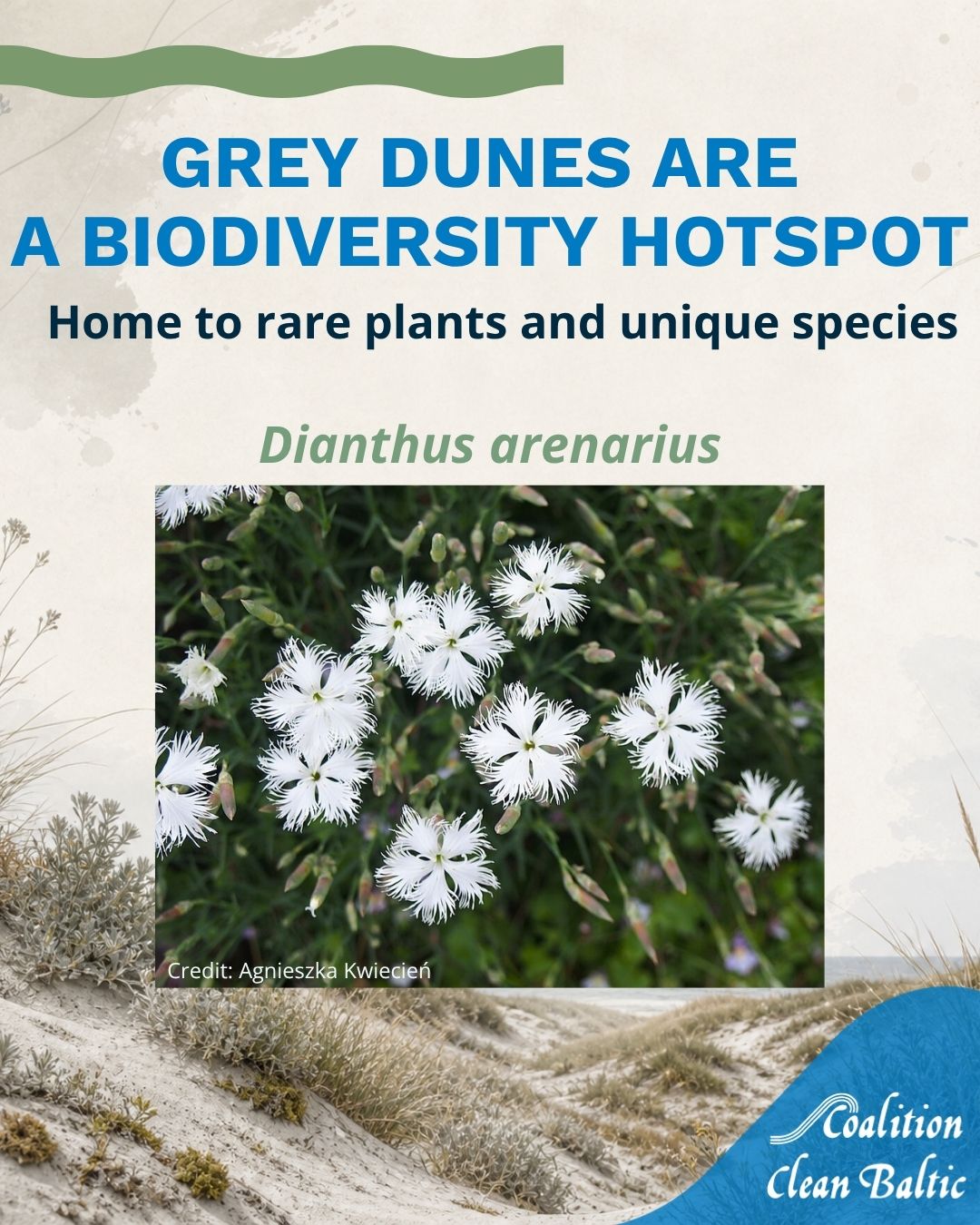
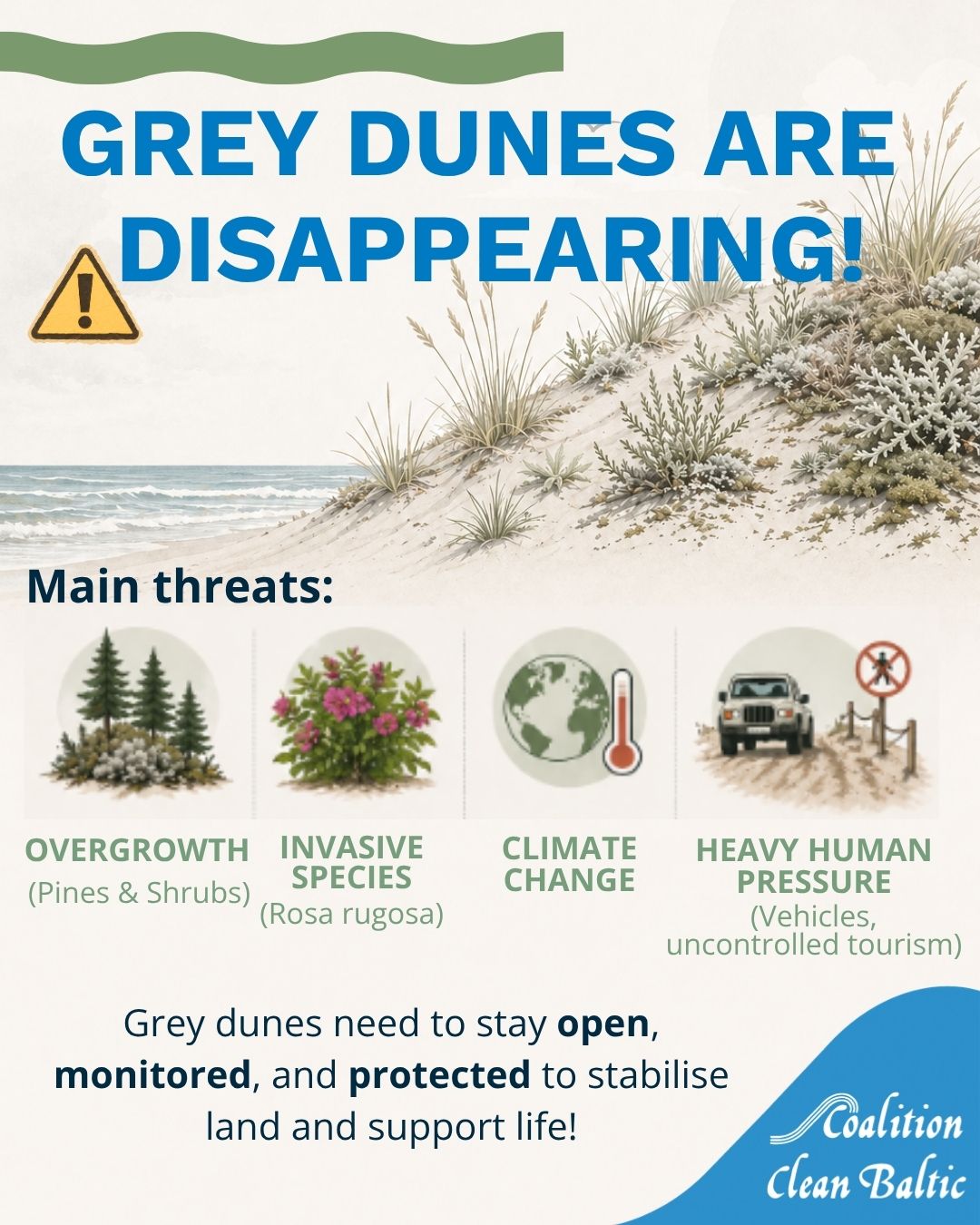
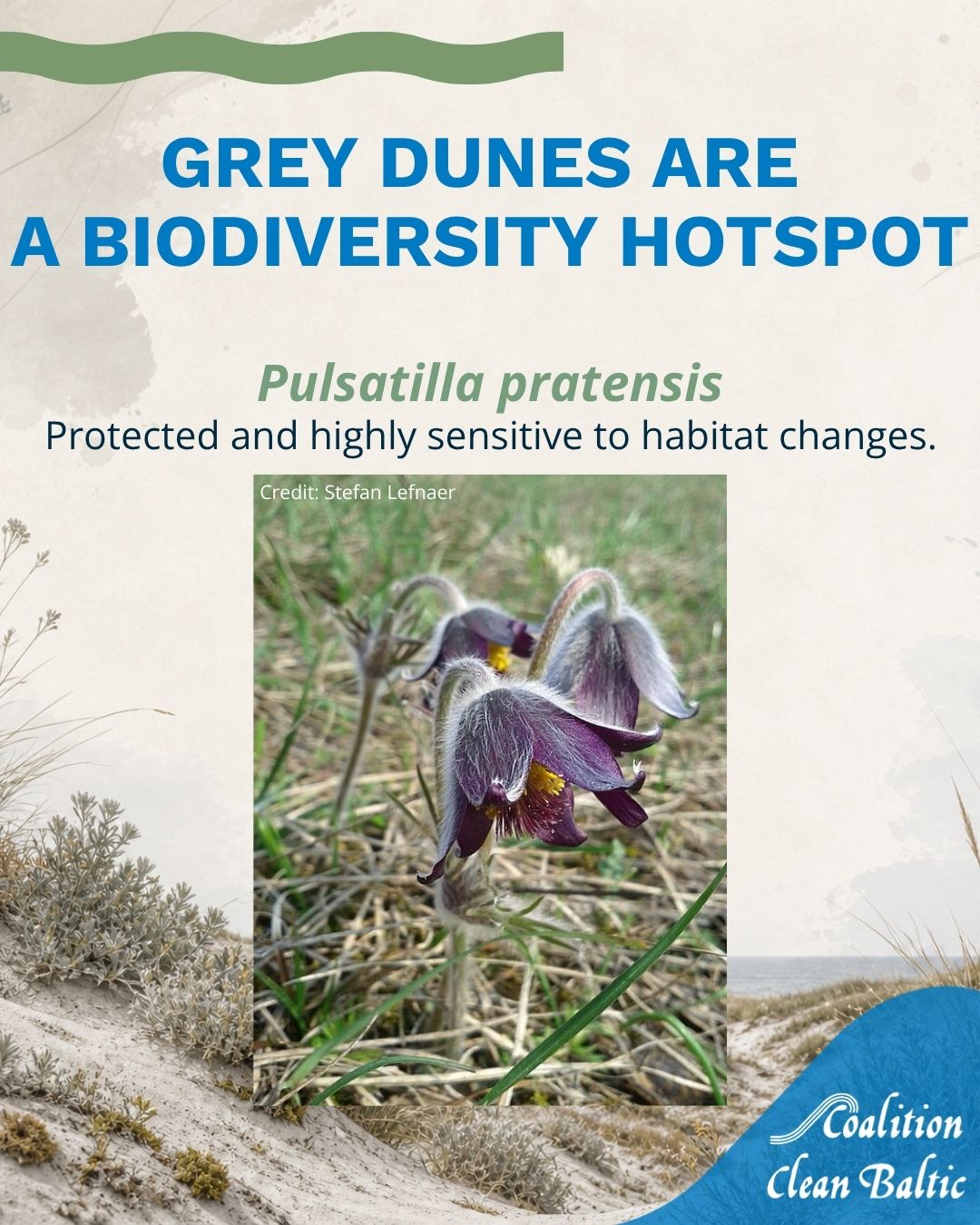
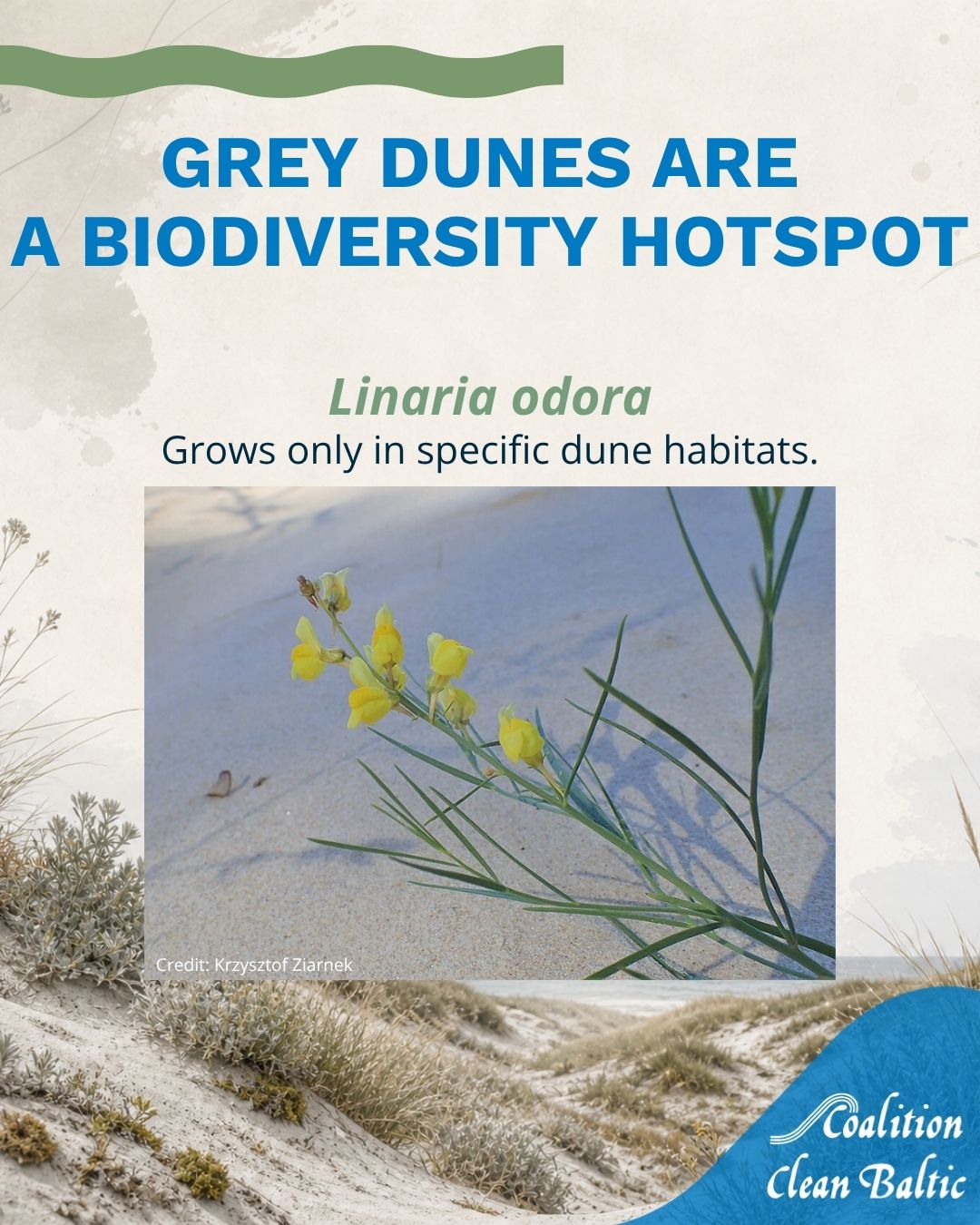
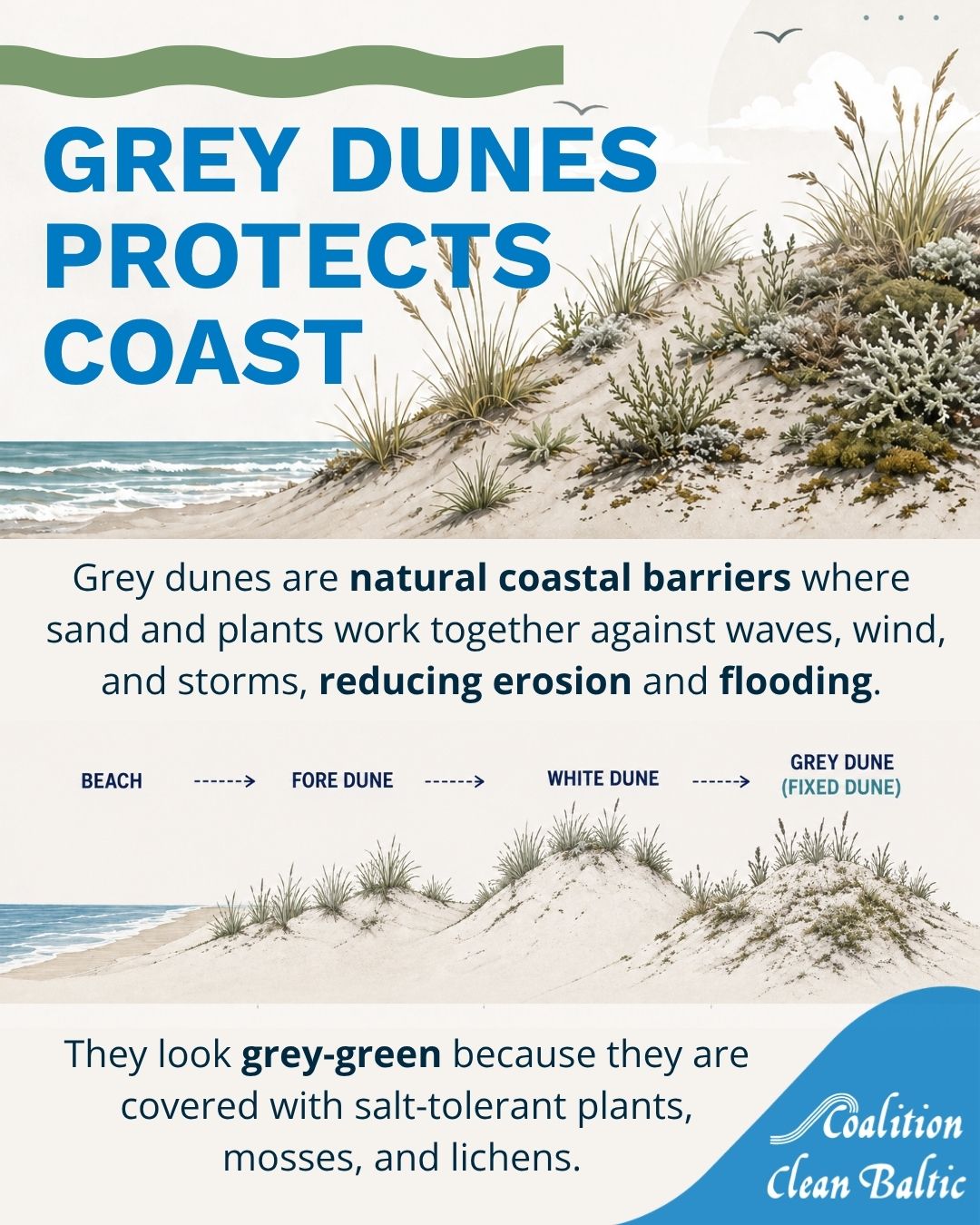
Grey dunes do much more than you think. They are not just landscapes, they are natural coastal protection, biodiversity hotspots, and climate solutions.
🌍 In Europe, grey dunes are a priority habitat (Natura 2000) and they are fundamental to:
— protect the coast from storms and erosion
— support rare and unique species
— help ecosystems adapt to climate change
But here’s the problem: grey dunes are disappearing. 🌿Without proper management, they slowly degrade or disappear completely.
Losing grey dunes means losing both nature and coastal protection!
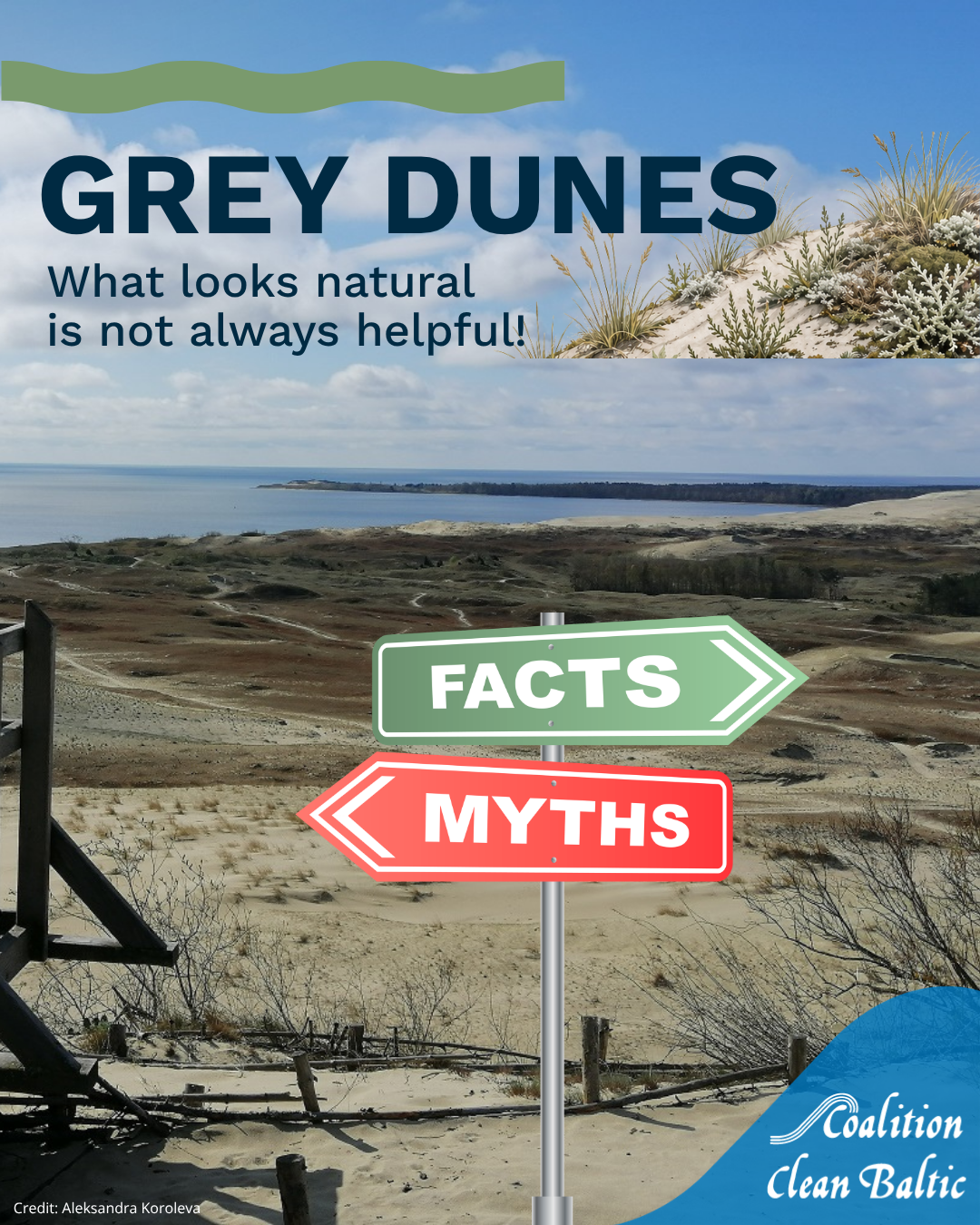
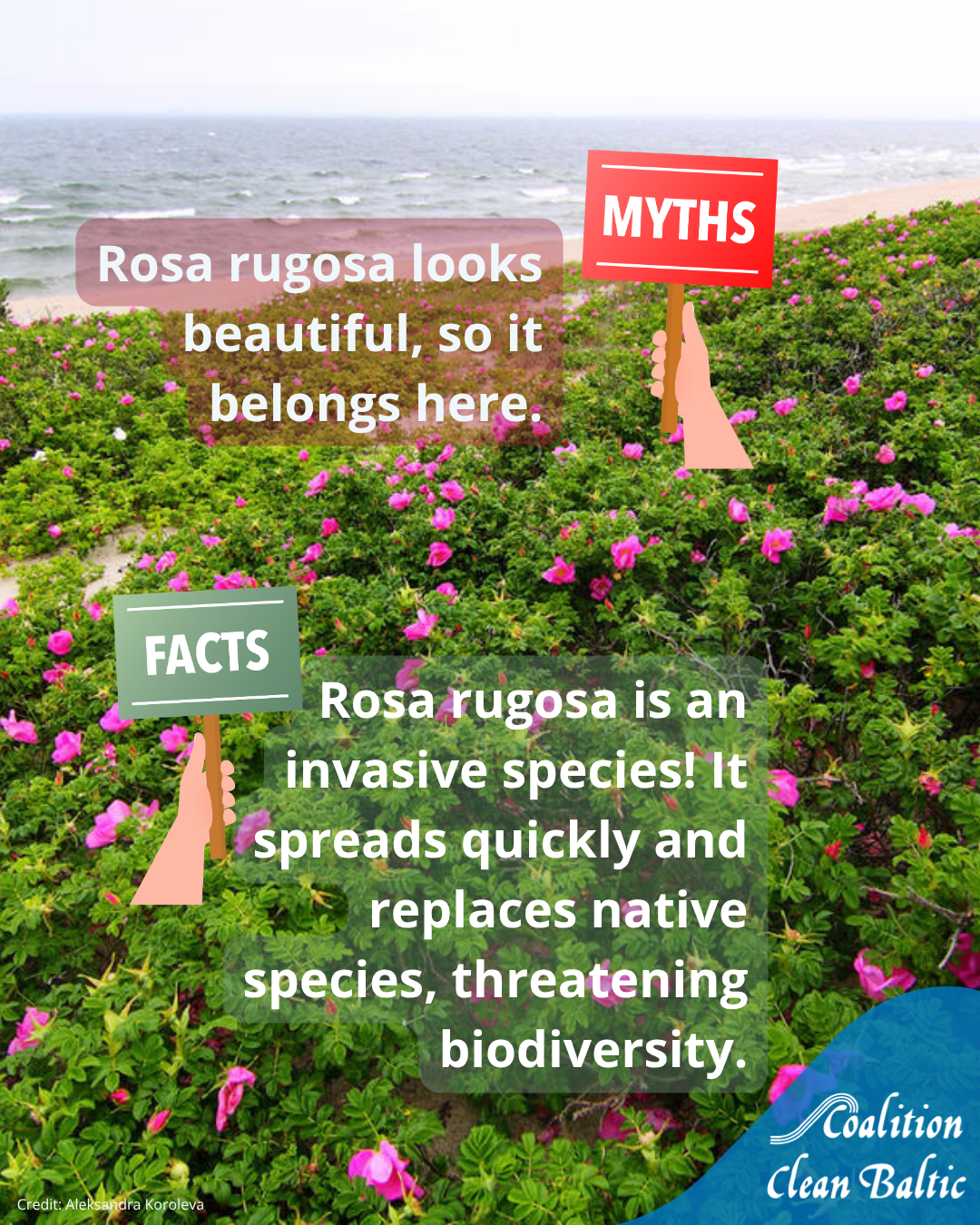
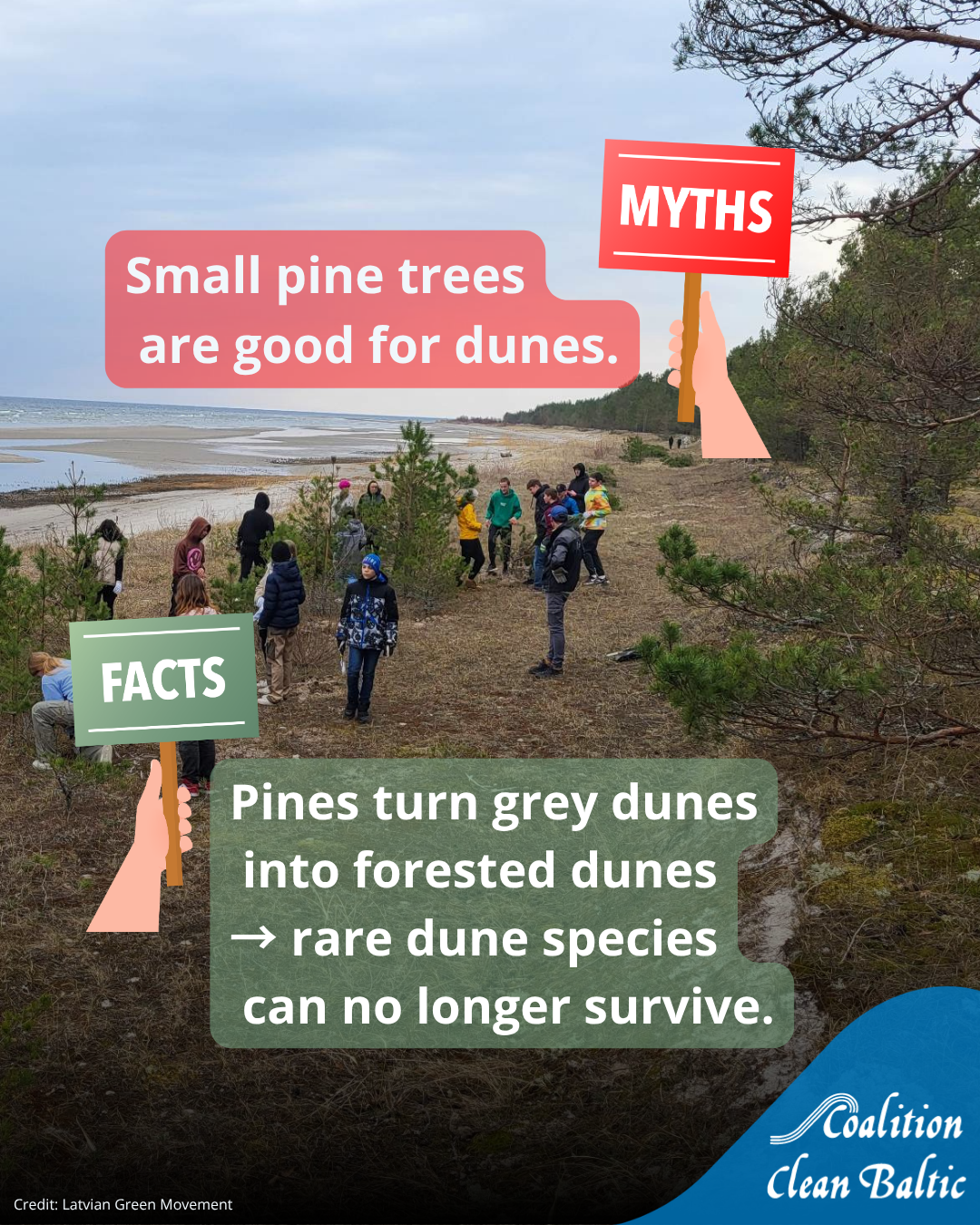
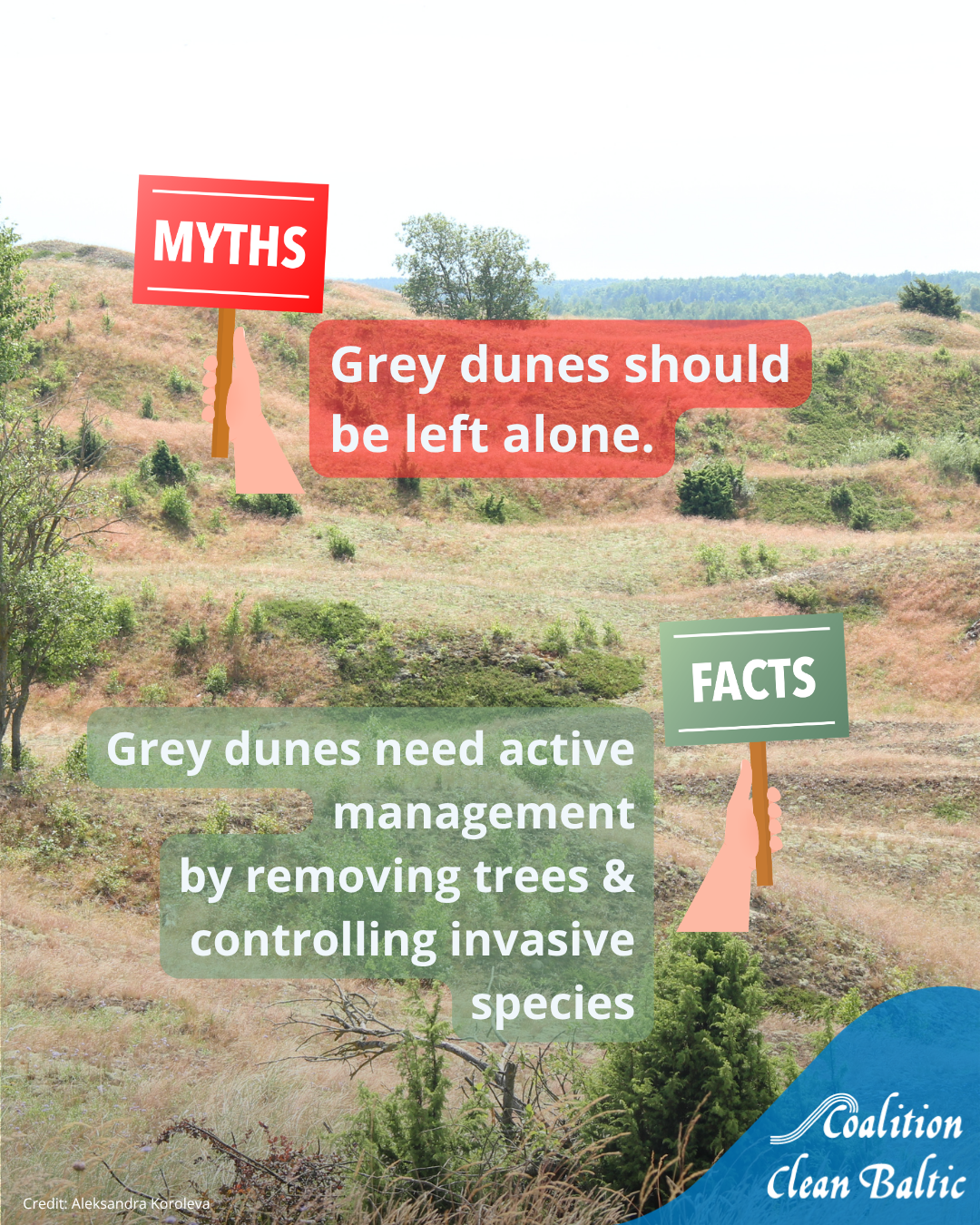
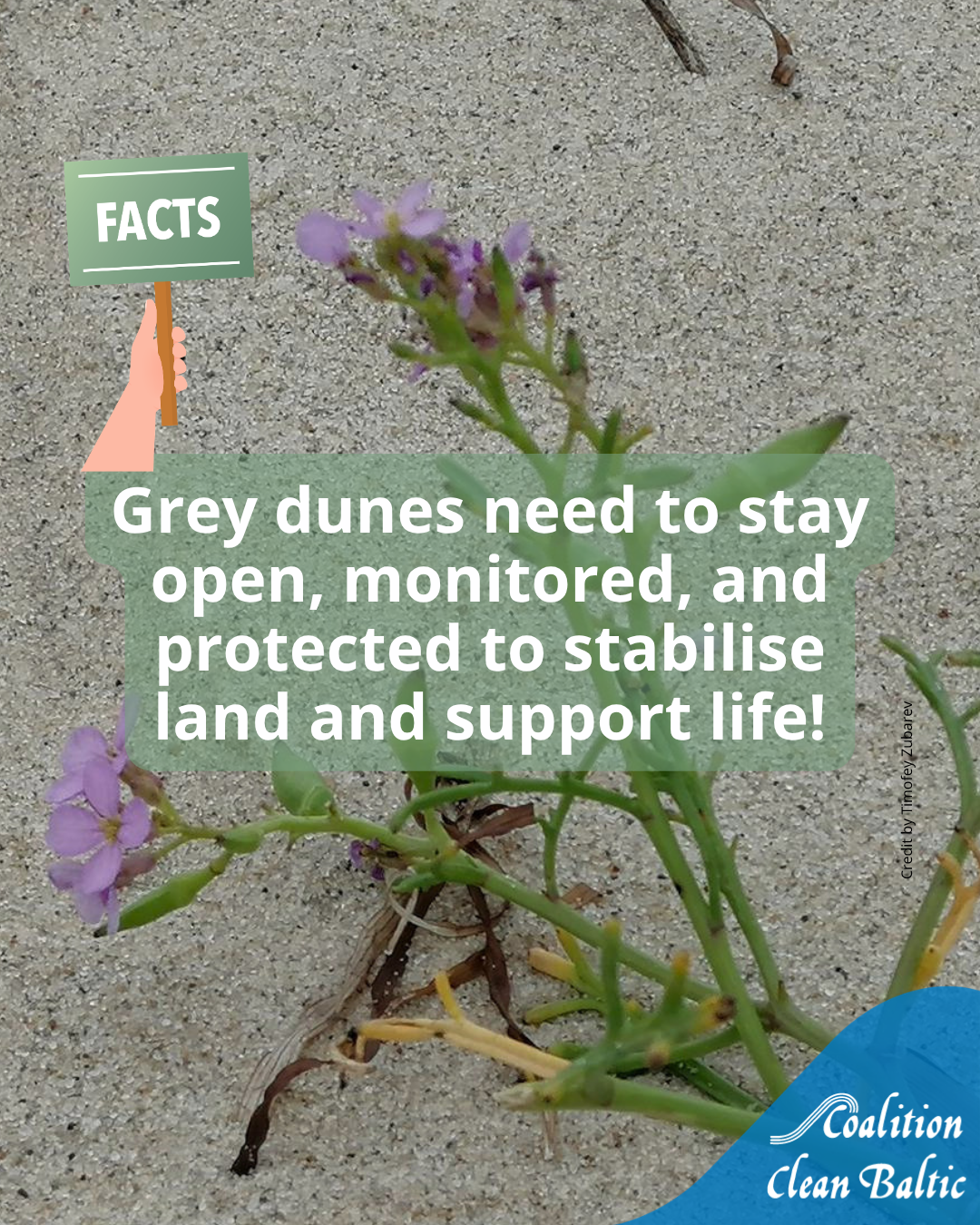
Some things in nature look right. But on grey dunes looks can be misleading.
🌿These ecosystems depend on balance and active management,
and small changes can have big consequences.
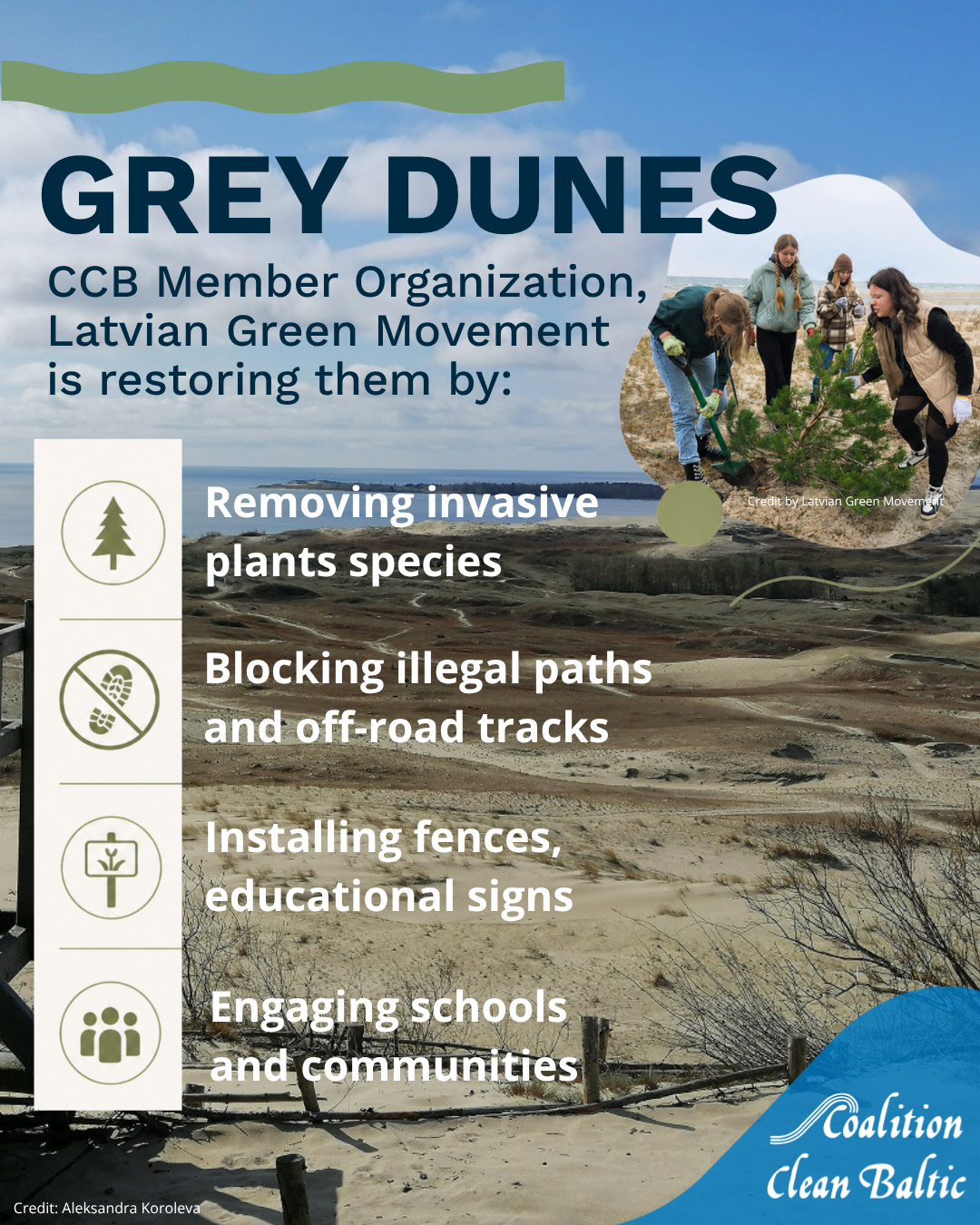
Restoring grey dunes is not about “fixing nature”. It’s about bringing back natural conditions, which includes:
— removing trees
— controlling invasive species
— restoring open habitats
— managing access
Learn more about the work carried by CCB Member Organisation Latvian Green Movement to restore grey dunes 👉 https://zalie.lv/category/piekrastes-aizsardziba/
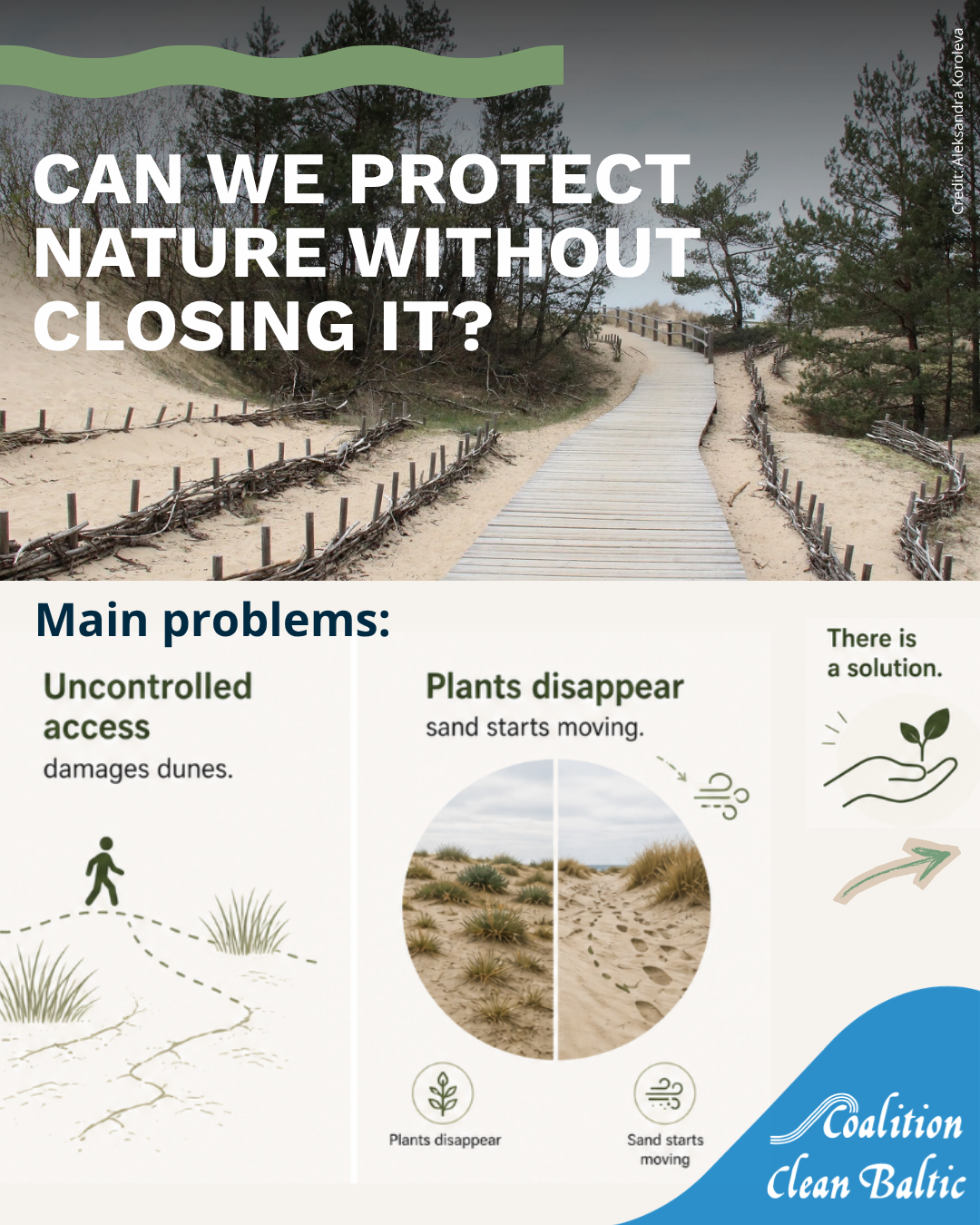
How do we protect grey dunes without closing them?
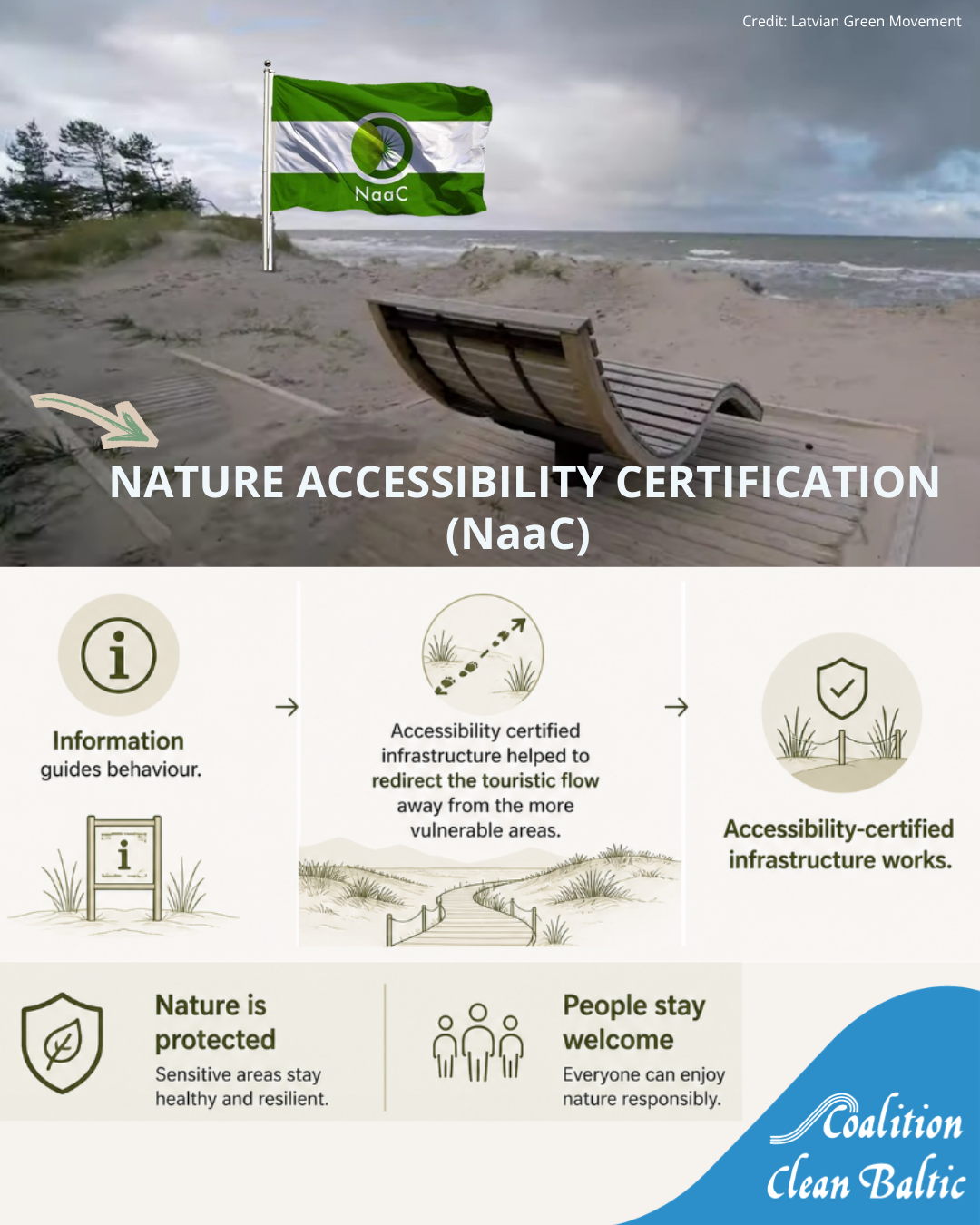
When there are no clear paths or guidance, dunes are trampled, habitats are damaged, restoration efforts fail.
🌿The solution is Nature Accessibility Certification.
Nature Accessibility is about balance:
🌿 protecting sensitive ecosystems
🚶 guiding visitors through designated routes
🌍 keeping nature open and accessible
It’s not about restrictions, it´s about protecting nature.
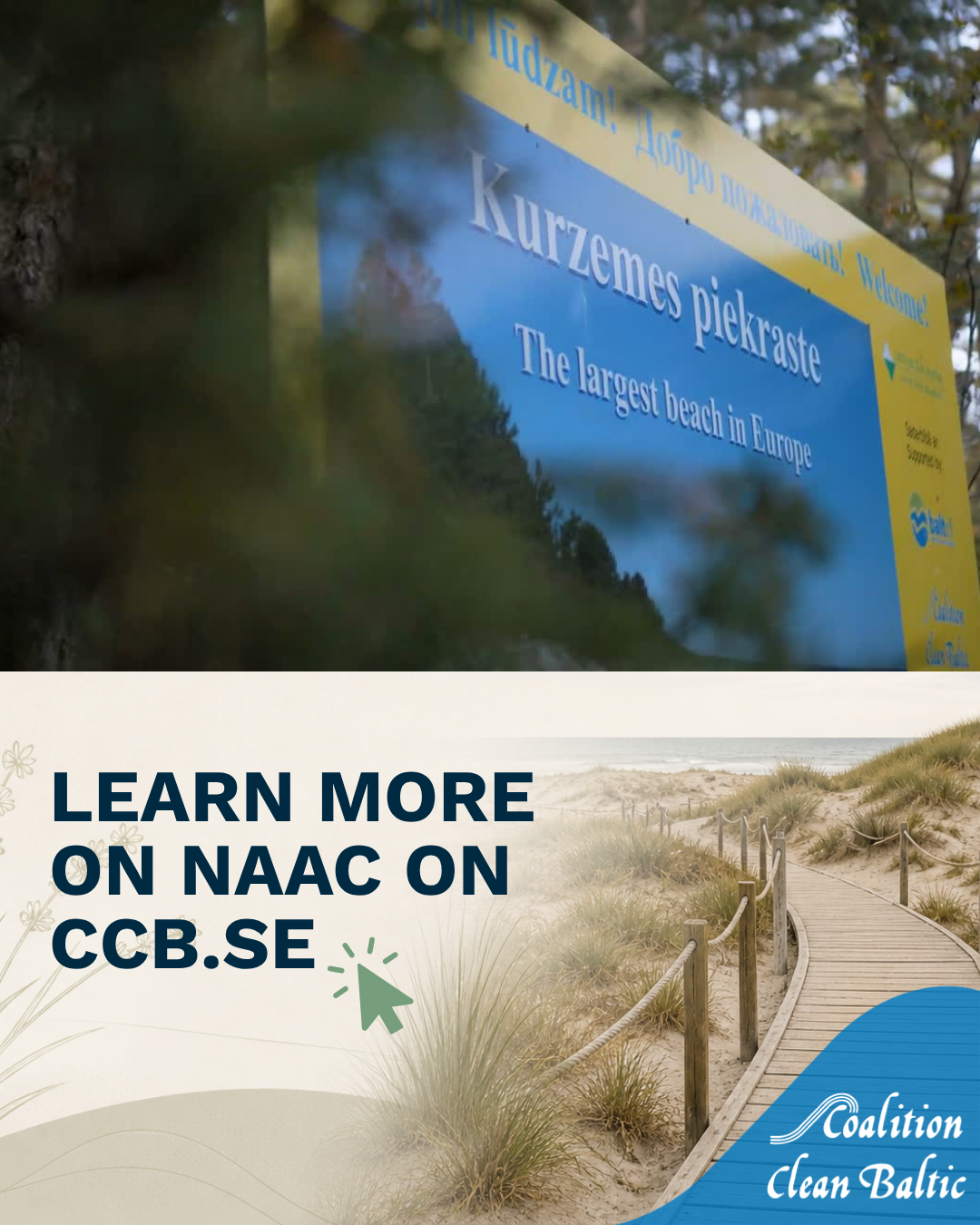
Learn more on 👉 https://www.One coastline. One shared challenge. And one joint solution.
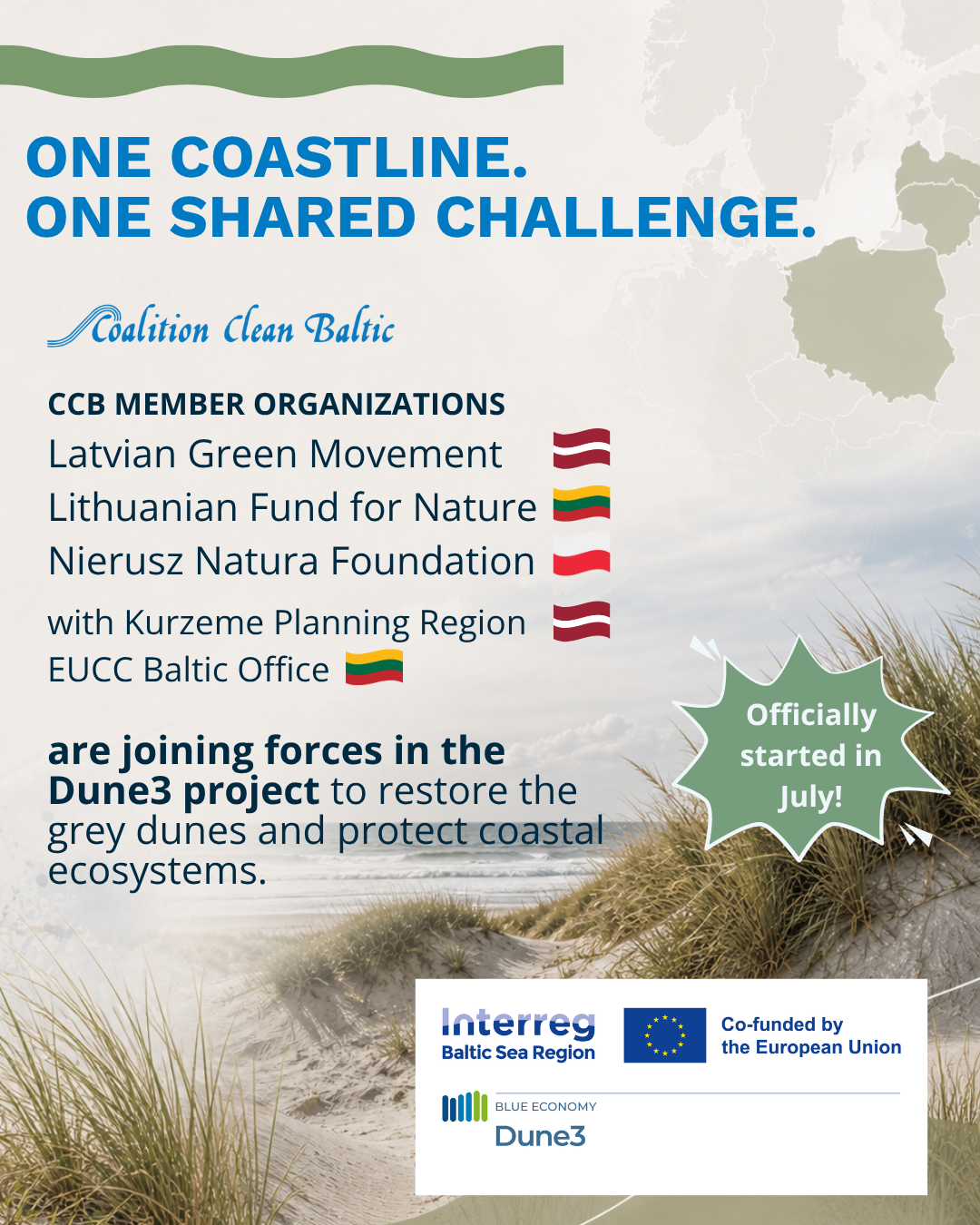
🌍 Latvia, Lithuania, and Poland are joining forces in the Dune3 project, supported by the Interreg Small Projects Program.
What will happen:
— pilot restoration in real locations
— a joint Baltic Grey Dunes restoration plan
— education and community engagement
Read more about the project 👉https://www.ccb.se/dune3 ccb.se/nature-accessible-certification